
How JC Marketing Consulting Utilizes Various Online Marketing Strategies to Drive Business Growth
In today's digital age, online marketing has become an essential component of any successful business strategy. JC Marketing Consulting understands the power of digital marketing and utilizes various strategies to help their clients achieve their business goals.
Search Engine Optimization (SEO)
SEO is the process of optimizing a website to rank higher on search engine results pages. JC Marketing Consulting has a team of experts that use various techniques to improve their clients' website rankings. They conduct thorough keyword research and analysis to determine the most relevant and popular search terms for their clients' businesses. They also optimize the website's content, meta descriptions, and tags to improve its visibility to search engines.
Social Media Marketing
Social media has become a powerful marketing tool that allows businesses to connect with their target audience and promote their brand. JC Marketing Consulting understands the importance of social media marketing and creates tailored social media campaigns that engage their clients' followers. They use various platforms such as Facebook, Twitter, Instagram, and LinkedIn to promote their clients' products and services.
Email Marketing
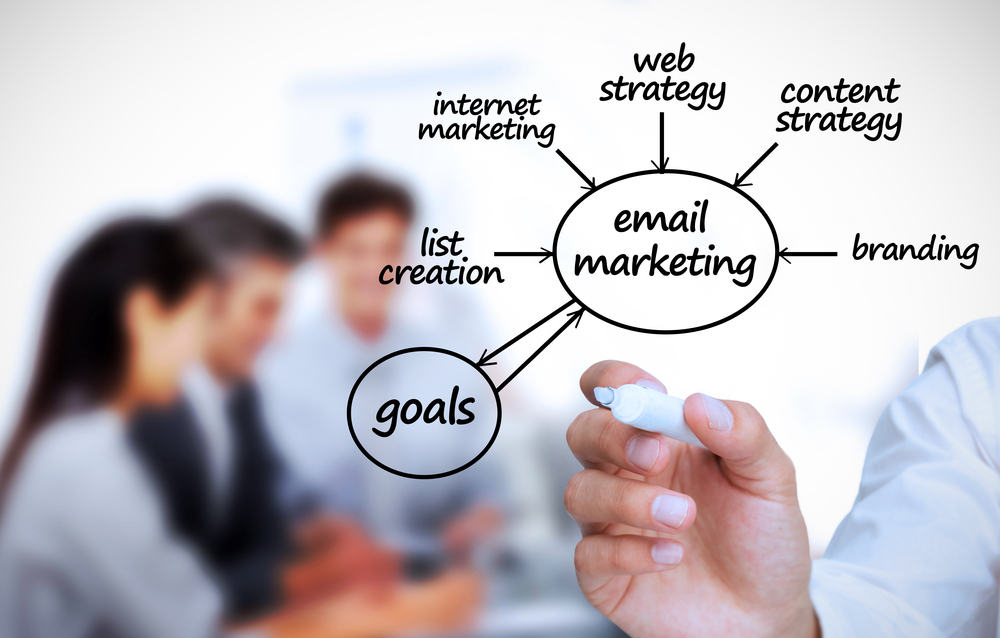
Email marketing is a cost-effective way to reach a large number of people in a short amount of time. JC Marketing Consulting creates targeted email campaigns that help their clients promote their products and services, increase customer loyalty, and drive sales. They use various techniques such as A/B testing, personalization, and automation to create effective email marketing campaigns.
Content Marketing
Content marketing involves creating and sharing valuable content to attract and retain customers. JC Marketing Consulting creates high-quality, relevant, and engaging content for their clients' websites and social media platforms. They use various formats such as blog posts, videos, infographics, and eBooks to educate their clients' audience and build their brand authority.
Paid Advertising
Paid advertising involves paying for ad space on various online platforms such as search engines, social media platforms, and websites. JC Marketing Consulting creates and manages effective paid advertising campaigns that help their clients reach their target audience and drive sales. They use various techniques such as keyword targeting, audience targeting, and retargeting to create effective paid advertising campaigns.

What are the 5 stages of digital marketing?
The five stages of digital marketing are:
a) Attract - attracting potential customers to your website through various digital marketing channels such as SEO, PPC, social media marketing, and content marketing.
b) Convert - converting website visitors into leads through various tactics such as landing pages, forms, and calls-to-action.
c) Close - turning leads into customers through tactics such as email marketing, lead nurturing, and sales.
d) Delight - providing exceptional customer service and experiences to keep customers happy and loyal.
e) Analyze - analyzing data and metrics to measure the effectiveness of your digital marketing efforts and make data-driven decisions.
What are the 4 types of marketing strategies?
The four types of marketing strategies are:
a) Market penetration - increasing market share for existing products in existing markets through tactics such as advertising, promotions, and pricing strategies.
b) Market development - expanding into new markets with existing products through tactics such as geographical expansion or targeting new customer segments.
c) Product development - introducing new products to existing markets through research and development.
d) Diversification - introducing new products into new markets or creating entirely new products and markets.
What are the 4 A's of marketing mix?
The 4 A's of marketing mix are:
a) Acceptability - the extent to which a product or service meets customer needs and expectations.
b) Affordability - the price of the product or service in relation to the perceived value by the customer.
c) Accessibility - the ease of obtaining the product or service.
d) Awareness - the extent to which customers are aware of the product or service and its benefits.
How do I break into marketing with no experience?
To break into marketing with no experience, consider:
a) Taking online courses or certifications in areas such as social media marketing, content marketing, or SEO.
b) Gaining experience through internships, volunteer work, or freelance projects.
c) Networking with industry professionals and attending industry events.
d) Creating your own personal brand and online presence through a blog or social media.
What should I learn first in marketing?
Some essential areas to learn first in marketing include:
a) Marketing fundamentals such as the 4 P's of marketing (product, price, promotion, place) and target audience.
b) Consumer behavior and market research.
c) Digital marketing channels such as social media marketing, content marketing, and SEO.
d) Marketing metrics and analytics to measure the effectiveness of your marketing efforts.
Can I learn marketing on my own?
Yes, you can learn marketing on your own through various online resources such as courses, blogs, and certifications. However, gaining practical experience through internships, volunteer work, or freelance projects can also be helpful in building your skills and knowledge.
What is the 4 C's in marketing?
The 4 C's in marketing are:
a) Customer - focusing on the needs and wants of the customer.
b) Cost - considering the total cost of ownership to the customer, not just the price of the product or service.
c) Convenience - making it easy for the customer to obtain the product or service.
d) Communication - using two-way communication to understand and engage with the customer.
What are the five C's of the marketing mix?
The five C's of the marketing mix are:
a) Company - understanding the company's goals and capabilities.
b) Customers - understanding the needs and wants of the target audience.
c) Competitors - analyzing the strengths and weaknesses of competitors in the market.
d) Collaborators - identifying and managing relationships with other businesses that can help achieve marketing objectives.
e) Context - considering external factors such as economic, technological, and societal trends that may impact the marketing strategy.
These five C's provide a comprehensive framework for developing a successful marketing mix. By understanding the company's goals and capabilities, marketers can develop strategies that are aligned with the company's mission and vision. Understanding the needs and wants of the target audience is critical for creating products and services that meet their needs and for developing messaging that resonates with them. Analyzing the strengths and weaknesses of competitors in the market helps companies differentiate themselves and identify opportunities for growth. Collaborating with other businesses can help expand reach and resources, while considering external factors such as economic and technological trends helps ensure the marketing strategy is relevant and adaptable. By considering each of these C's, marketers can create a marketing mix that is effective, efficient, and sustainable.

What is the goal of marketing?
The goal of marketing is to create value for customers and build strong relationships with them to ultimately drive sales and generate revenue. Effective marketing involves understanding the needs and desires of target customers, creating compelling messages and offerings, and developing effective channels to reach and engage with them.
What is the most successful marketing strategy?
There is no single "most successful" marketing strategy, as the best approach depends on a variety of factors such as industry, target audience, and marketing goals. However, some effective marketing strategies include search engine optimization (SEO), content marketing, social media marketing, email marketing, and paid advertising.
What is the best marketing method?
Again, the best marketing method depends on a variety of factors such as industry, target audience, and marketing goals. A mix of different methods can be effective, but some common methods include social media marketing, search engine optimization (SEO), content marketing, email marketing, influencer marketing, and paid advertising.
What are the 7 marketing tactics?
The 7 marketing tactics are: product, price, promotion, place, people, process, and physical evidence. These are also known as the 7 P's of marketing. They provide a framework for developing a comprehensive marketing strategy that includes elements such as product development, pricing strategies, promotion and advertising tactics, distribution channels, staffing and training, customer service processes, and physical presentation of products or services.
What are the 3 C's of digital marketing?
The 3 C's of digital marketing are: content, context, and customer. These elements are key to developing a successful digital marketing strategy. Content refers to the messages and media used to engage with customers, while context involves understanding the environment in which marketing messages are delivered. Customer refers to the target audience and their needs and preferences.
What are the 4 E's of digital marketing?
The 4 E's of digital marketing are: engage, educate, excite, and experience. These elements are important for developing a successful digital marketing strategy that focuses on building strong relationships with customers. Engage refers to creating content and experiences that capture the attention of target audiences, while educate involves providing useful and relevant information. Excite involves creating emotional connections and experiences, and experience refers to providing a seamless and enjoyable customer experience across all touchpoints.
What are the 4 D's of digital marketing?
The 4 D's of digital marketing are: digital devices, digital platforms, digital media, and digital data. These elements are important for developing a successful digital marketing strategy that reaches and engages with target audiences across digital channels. Digital devices refer to the hardware and software used to access digital content, while digital platforms include social media sites, search engines, and other online channels. Digital media refers to the content and advertising delivered through digital channels, and digital data refers to the insights and analytics used to measure and optimize digital marketing efforts.
IV. How to make money through digital marketing?
There are many ways to make money through digital marketing, whether you are working for a company or running your own business. Here are a few examples:
Freelancing - Many digital marketers work as freelancers, offering their services to clients on a project-by-project basis. This can include tasks such as social media management, content creation, email marketing, and more.
Affiliate Marketing - Affiliate marketing involves promoting products or services on behalf of a company and earning a commission for each sale made through your unique affiliate link.
E-Commerce - Selling products or services online can be a lucrative way to make money through digital marketing. This can include creating your own products, dropshipping, or selling products on platforms such as Amazon or Etsy.
Consulting - Digital marketing consultants provide expert advice and guidance to businesses looking to improve their digital marketing strategies. This can include conducting audits, creating marketing plans, and providing ongoing support.
Examples of successful digital marketers include:
Neil Patel - Neil Patel is a well-known digital marketer who has worked with companies such as Amazon, Google, and Microsoft. He is the co-founder of Neil Patel Digital, a digital marketing agency that specializes in SEO, content marketing, and social media.
Amy Porterfield - Amy Porterfield is a digital marketing expert who has helped thousands of entrepreneurs launch successful online businesses. She offers courses and coaching on topics such as list building, email marketing, and course creation.
Pat Flynn - Pat Flynn is a successful digital marketer who runs the popular Smart Passive Income blog and podcast. He teaches others how to build successful online businesses through affiliate marketing, podcasting, and other strategies.
Digital marketing offers many opportunities to make money, but it requires dedication, hard work, and a willingness to continuously learn and adapt to new trends and technologies.

V. What is the job of a digital marketer?
The job of a digital marketer is to develop and execute marketing campaigns that promote a company's products or services online. This can include a variety of tasks, such as:
Developing a digital marketing strategy - A digital marketer is responsible for creating a comprehensive marketing plan that outlines the goals, tactics, and metrics for a campaign.
Content creation - Digital marketers are often responsible for creating content that will be used in various marketing channels, such as social media, email marketing, or blog posts.
Search engine optimization (SEO) - Digital marketers need to understand how to optimize websites and content for search engines to improve visibility and drive organic traffic.
Pay-per-click (PPC) advertising - Digital marketers must know how to create and manage PPC campaigns on platforms such as Google Ads or Facebook Ads.
Social media marketing - Digital marketers are responsible for managing a company's social media presence, creating content, and engaging with followers.
Data analysis - Digital marketers must be able to analyze campaign data to measure performance, identify areas for improvement, and make data-driven decisions.
To be successful in this field, digital marketers need a combination of technical and creative skills. They should be familiar with marketing tools and software, have strong communication and writing skills, and be able to think analytically and strategically. Additionally, staying up-to-date with the latest trends and technologies is crucial to remaining competitive in the industry.

VI. How do I become a digital marketer with no experience?
Becoming a digital marketer with no experience can seem daunting, but it's definitely possible with the right approach. Here are some tips and strategies for getting started:
Educate yourself - The first step to becoming a digital marketer is to learn as much as you can about the industry. There are many online resources available, including blogs, podcasts, and online courses. Some popular resources for learning digital marketing include Hubspot Academy, Moz Academy, and Google Digital Garage.
Build your skills - Once you've gained a basic understanding of digital marketing, it's time to start building your skills. This can include practicing copywriting, graphic design, or data analysis.
Network - One of the best ways to get started in digital marketing is to network with industry professionals. Attend events, join online communities, and connect with people on LinkedIn. You never know who might be able to offer advice or even a job opportunity.
Get hands-on experience - One of the best ways to gain experience is by working on your own digital marketing projects. Start a blog or social media account and experiment with different marketing tactics. You can also consider volunteering for a non-profit organization or offering your services to a friend's small business.
Get certified - While certifications aren't necessary to become a digital marketer, they can help demonstrate your expertise to potential employers. Some popular certifications include Google Ads, Hubspot Inbound Marketing, and Hootsuite Social Media.
Remember, becoming a digital marketer is a journey, not a destination. Keep learning, building your skills, and networking, and you'll be on your way to a successful career in digital marketing.

V. What is the job of a digital marketer?
Digital marketers are responsible for developing and implementing online marketing strategies to promote a business or product. Their job is to connect with potential customers and drive traffic to a website or social media page. Here are some of the key responsibilities of a digital marketer:
Develop marketing strategies - Digital marketers work with their clients to develop effective marketing strategies that will help them reach their target audience and achieve their business goals.
Manage social media accounts - Social media is a crucial component of digital marketing. Digital marketers are responsible for managing social media accounts and creating content that engages with followers.
Write and edit content - Copywriting is a key skill for digital marketers. They need to be able to write compelling ad copy, blog posts, and other types of content that will attract potential customers.
Analyze data - Digital marketers need to be able to analyze data from Google Analytics, social media platforms, and other sources to determine which marketing tactics are working and which need to be adjusted.
Stay up-to-date with industry trends - The digital marketing landscape is constantly evolving. Digital marketers need to stay up-to-date with new technologies, marketing tactics, and industry trends in order to stay ahead of the competition.
Some of the key skills needed to be a successful digital marketer include:
Communication skills - Digital marketers need to be able to communicate effectively with clients, team members, and customers.
Creativity - Digital marketers need to be able to come up with creative ideas for marketing campaigns that will grab the attention of potential customers.
Analytical skills - Digital marketers need to be able to analyze data and use that information to make informed decisions about marketing strategies.
Technical skills - Digital marketers need to be familiar with a variety of software tools and platforms, including social media platforms, email marketing tools, and website analytics software.
Overall, the job of a digital marketer is fast-paced and constantly evolving. It requires a combination of technical skills, creativity, and business acumen in order to succeed.

VI. How do I become a digital marketer with no experience?
Getting started in digital marketing can be challenging, especially for those with no prior experience in the field. However, with dedication and the right approach, it is possible to break into the industry. Some tips and strategies for getting started in digital marketing include:
Start by learning the basics: Before diving into any specific area of digital marketing, it is important to have a solid understanding of the basics. This includes topics like SEO, social media marketing, email marketing, and PPC advertising.
Take online courses: There are many online courses available that can help you learn the fundamentals of digital marketing. These courses are often flexible and affordable, making them a great option for those with busy schedules or limited budgets.
Attend networking events: Networking is a crucial part of any career, and digital marketing is no exception. Attend local networking events to meet others in the industry and learn about job opportunities.
Build a portfolio: As you learn more about digital marketing, start building a portfolio of your work. This can include projects you complete for clients, as well as personal projects that demonstrate your skills and knowledge.
Volunteer or intern: To gain hands-on experience, consider volunteering or interning at a digital marketing agency or non-profit organization. This can be a great way to learn new skills and make connections in the industry.
VII. Can I learn digital marketing on my own?
Yes, it is possible to learn digital marketing on your own. There are many resources available, including online courses, blogs, and video tutorials. However, it is important to recognize that self-education may not provide the same level of depth and expertise as a structured program or degree program.
One advantage of self-education is that it allows you to learn at your own pace and focus on the areas that interest you most. However, it can be challenging to stay motivated and keep up with the latest trends and best practices without the guidance of a teacher or mentor.
VIII. How long does it take to learn digital marketing?
The time required to learn digital marketing can vary depending on your goals, the resources you have available, and your level of dedication. Some people are able to learn the basics of digital marketing in a matter of weeks or months, while others may take years to become experts.
Factors that can impact the time required to learn digital marketing include:
Your current level of knowledge and experience
The specific areas of digital marketing you are interested in
The resources and learning materials you have access to
Your learning style and speed
The time you can commit to learning each day or week
IX. How much can a beginner make in digital marketing?
Salaries for digital marketing jobs can vary widely depending on your level of experience, location, and the type of job you are applying for. According to Glassdoor, the average salary for a digital marketer in the United States is around $63,000 per year.
As a beginner, you can expect to earn less than the average salary until you gain more experience and expertise. However, salaries for entry-level digital marketing jobs can still be competitive, with many jobs offering starting salaries in the range of $30,000 to $50,000 per year.
X. Which certification is best for digital marketing?
There are many digital marketing certifications available, each with its own strengths and weaknesses. Some of the most popular certifications include:
Google AdWords Certification
HubSpot Inbound Certification
Hootsuite Social Media Marketing Certification
Facebook Blueprint Certification
SEMrush SEO Fundamentals Certification
When choosing a certification program, it is important to consider your goals and the specific skills you want to develop. Look for programs that are recognized by industry professionals and that offer a comprehensive curriculum.
XI. Can I be a digital marketer without a degree?
While a degree in marketing or a related field can certainly be helpful in pursuing a career in digital marketing, it is not always necessary. Many successful digital marketers have entered the field through alternative paths, such as self-education, certifications, or experience in related fields.
It is important to note, however, that having a degree or relevant education can often give you an advantage in the job market and may be required by some employers. It can also provide a strong foundation of marketing principles and strategies.
XII. How do I start a career in digital marketing from scratch?
If you are starting from scratch with no previous experience or education in marketing, there are several steps you can take to begin building a career in digital marketing.
First, start by familiarizing yourself with the basics of digital marketing, including social media, SEO, content marketing, and email marketing. There are numerous resources available online, including courses, blogs, and podcasts.
Next, gain hands-on experience by creating your own digital marketing projects or volunteering to work on projects for non-profit organizations or small businesses. Building a portfolio of your work can be a great way to showcase your skills and impress potential employers.
Finally, network with other professionals in the industry and attend industry events to stay up-to-date on the latest trends and job opportunities.
XIII. Is digital marketing hard to get into?
Like any competitive industry, digital marketing can be difficult to break into, especially without previous experience or education. However, with dedication, persistence, and a willingness to continually learn and adapt to new technologies and strategies, it is possible to build a successful career in digital marketing.
Strategies for standing out in the job market include gaining hands-on experience, building a strong portfolio, networking, and staying up-to-date on industry trends and best practices.
XIV. How do you qualify for digital marketing?
Qualifications for digital marketing can vary depending on the specific job and industry, but some common skills and qualifications include:
Understanding of marketing principles and strategies
Familiarity with digital marketing tools and technologies
Experience with SEO, social media, content marketing, and email marketing
Analytical and problem-solving skills
Strong communication and collaboration skills
There are many paths to gaining these qualifications, including education, self-education, certifications, and experience in related fields.
XV. Conclusion
Digital marketing is an exciting and ever-evolving industry with a wide range of career opportunities. While it can be challenging to break into, there are many resources and strategies available for those looking to start a career in digital marketing. Whether you pursue education, certifications, self-education, or hands-on experience, the key is to continually learn and adapt to new technologies and strategies to stay ahead in the field. At Jc Marketing Consulting LLC, we are committed to helping businesses thrive in the digital world through innovative marketing strategies and personalized solutions.